

FOLLOW US


Tiles
Home >> TilesFlore



Kota Stone
Marble

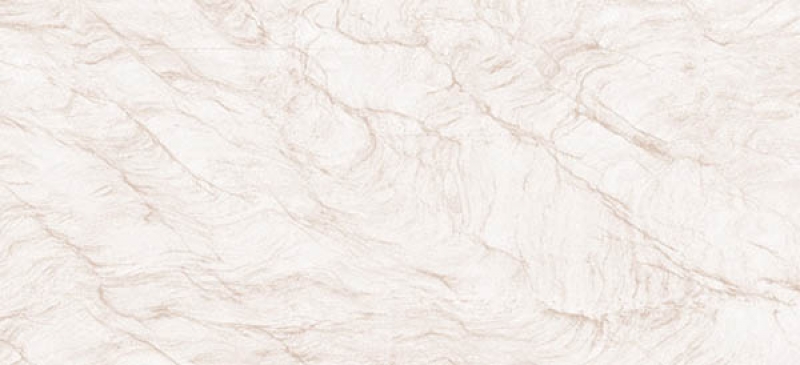
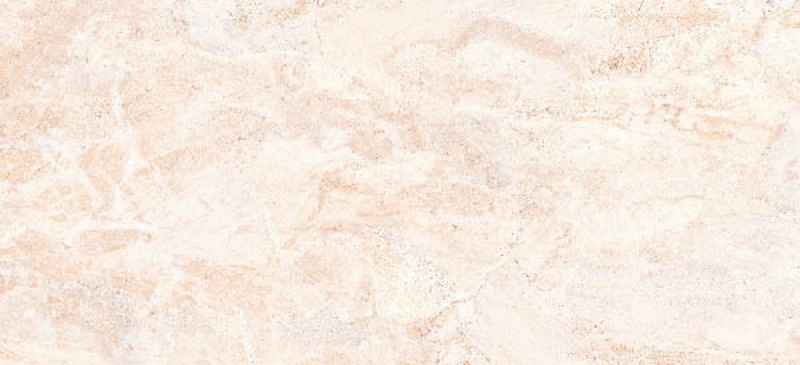
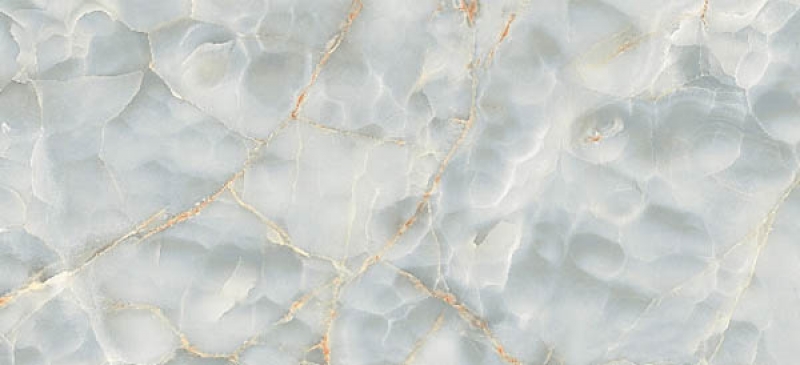
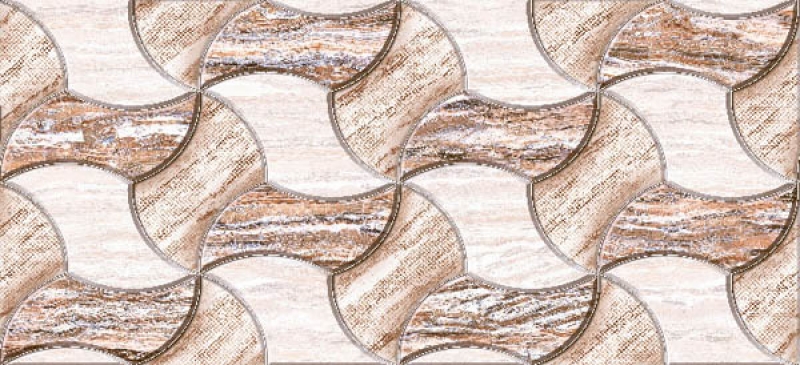
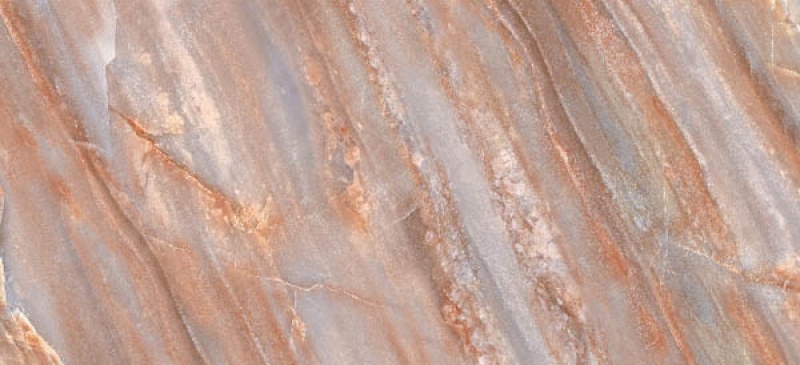
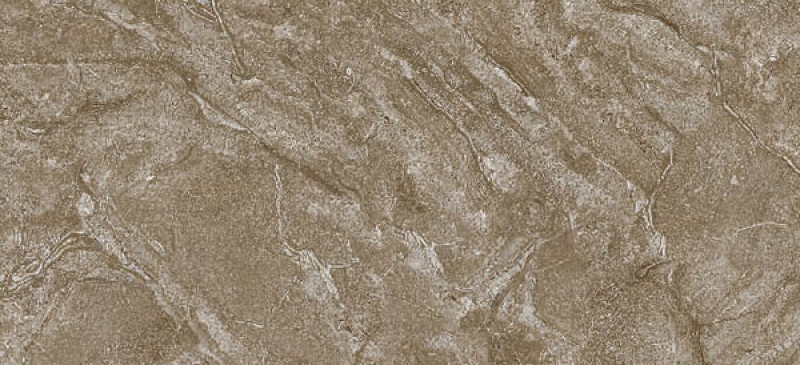
Tiles are often used to form wall and floor coverings, and can range from simple square tiles to complex mosaics. Tiles are most often made of ceramic, typically glazed for internal uses and unglazed for roofing, but other materials are also commonly used, such as glass, cork, concrete and other composite materials, and stone. Tiling stone is typically marble, onyx, granite or slate. Thinner tiles can be used on walls than on floors, which require more durable surfaces that will resist impacts.

Showcase Gallery
 Bowl Set
 Bracelet
 Chinese Bowl
 Cooking Bowl
 Fancy Wear
 Kitchen Wear
 Kurta Wear
 Lic Plans
 Necklace Premium Products Online
 New Jeevan Anand
Testimonials
Really happy with relationship. Does add value to our business.
- Mr. Gupta
Amazing offer by coffee web. Really appreciate it.
- Amit Thakkar
Professional, helpful and good at understanding your needs.
- Hardik Patel
Very happy with communication; calls always answered on time, efficient at explaining.
- Rakesh Patel
 Invite Your Friend !
 Subscribe for Newsletter


